How Heart-Rate Tracking Can Make HIIT Sessions Smarter
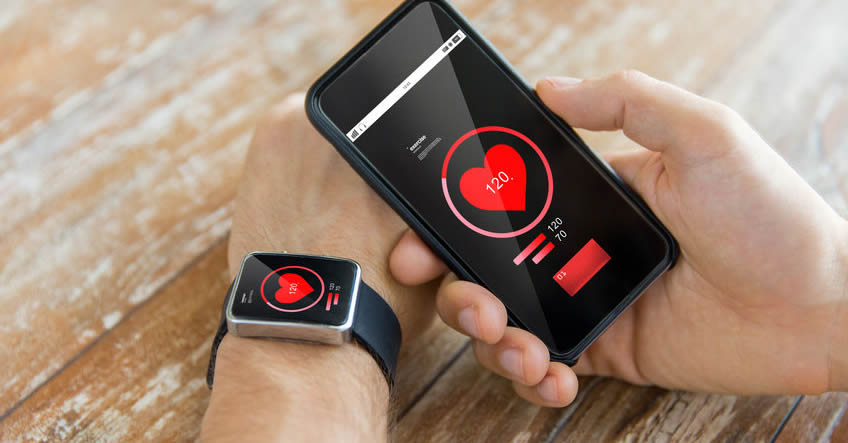
HIIT is built around intensity, but intensity can be difficult to judge. Some people push too hard too early. Others stay too comfortable and never reach the intended effort. A person’s feelings during exercise are useful, but they are not always accurate. Heart-rate tracking can add another layer of feedback.
For people attending hiit classes singapore, heart-rate tracking can help make sessions smarter. It does not replace coaching or body awareness, but it can help participants understand effort, recovery, pacing, and progress. Used wisely, it turns HIIT from pure intensity into more informed training.
Why Heart Rate Matters in HIIT
Heart rate reflects how hard the cardiovascular system is working. During HIIT, heart rate rises during work intervals and lowers during recovery periods. Watching this pattern can help participants understand how their body responds.
The goal is not to keep heart rate at maximum for the entire class. HIIT depends on changes in intensity.
Heart-rate tracking helps show those changes more clearly.
It Helps Prevent Starting Too Hard
Many participants begin HIIT with too much intensity. The first round feels exciting, so they go all out. By the middle of class, form drops and energy crashes.
Heart-rate feedback can help prevent this. If the heart rate climbs too high too early, the participant may choose to pace better.
Smarter pacing often leads to a stronger overall session.
Recovery Becomes Easier to Understand
Recovery is a key part of HIIT. Heart-rate tracking can show whether the body is settling between intervals. If heart rate stays very high and breathing remains uncontrolled, the participant may need to reduce intensity or extend recovery.
Over time, improved recovery can be a sign of better fitness.
A person may notice that their heart rate lowers faster between intervals than it did before.
Heart Rate Can Show External Stress
Some days, the same workout feels harder. Heart rate may be higher than usual because of poor sleep, dehydration, stress, caffeine, illness, or heat. This data can help participants understand that the body is not always the same.
Instead of forcing the usual intensity, they may adjust.
This makes HIIT safer and more sustainable.
It Supports Personal Intensity
In group classes, everyone moves together, but effort is personal. Heart-rate tracking helps participants avoid comparing only speed or movement size. Two people may do the same exercise and have different heart-rate responses.
This is normal.
The goal is to train within the right personal effort range rather than copy someone else.
Calories Burned Should Not Be the Main Focus
Many wearables estimate calories burned. This number attracts attention, but it should not dominate the workout. Calorie estimates are imperfect and vary between devices.
A HIIT session has value beyond calories. It can improve conditioning, pacing, mental discipline, coordination, and recovery ability.
Heart-rate data is more useful when it helps guide effort rather than judge worth.
Heart-Rate Zones Can Teach Pacing
Heart-rate zones can help people understand effort levels. Lower zones may reflect warmup or recovery. Higher zones may reflect hard work. During HIIT, participants may move between zones throughout the session.
This teaches pacing.
A person learns how moderate effort feels, how hard effort feels, and how recovery feels.
Beginners Can Use Tracking Simply
Beginners do not need to understand every metric immediately. They can start by noticing how heart rate changes during work and recovery. They can also compare how they feel with what the watch shows.
This builds awareness without overwhelm.
The data should support learning, not create anxiety.
Experienced Participants Can Track Progress
More experienced participants may use heart-rate data to monitor performance. They may notice that they can perform more work at a similar heart rate, recover faster, or complete intervals with better control.
These trends are useful.
Progress is not always about doing more. Sometimes it is about doing the same work more efficiently.
Heart Rate Should Not Override Body Signals
A device cannot understand everything. If someone feels dizzy, has pain, feels unwell, or struggles to breathe normally, they should slow down or stop regardless of what the number says.
Body awareness matters.
Heart-rate tracking is a tool, not permission to ignore warning signs.
Coaching Still Matters
A wearable can show effort, but it cannot correct form. It cannot see whether knees are aligned, landings are controlled, or posture is collapsing. Coaching remains essential in HIIT.
The best approach combines instructor guidance with personal data.
Technology supports smarter training when used alongside good coaching.
Avoiding Data Anxiety
Some people become stressed by fitness numbers. They worry about zones, calories, rankings, and performance every session. This can make training less enjoyable.
Heart-rate tracking should create awareness, not pressure.
Weekly and monthly trends matter more than one imperfect class.
Making HIIT More Intelligent
Heart-rate tracking helps participants train with more intention. It can guide pacing, show recovery, reveal fatigue, and track progress. It makes intensity less mysterious.
For people comparing high-intensity class options, True Fitness Singapore may be relevant when looking for HIIT training that combines coaching, structure, and smarter effort awareness.
FAQ
Is heart-rate tracking useful for HIIT?
Yes. It can help participants understand intensity, pacing, and recovery during intervals.
Should heart rate stay high throughout HIIT?
No. HIIT includes hard work and recovery. Heart rate should rise and fall during the session.
Are calorie estimates from wearables accurate?
They are estimates and should not be treated as exact. Workout quality should not be judged only by calories.
Can beginners use heart-rate tracking?
Yes. Beginners can use it simply to understand effort and recovery without focusing on too many numbers.