Can Smart Strength Machines in a Gym in Singapore Improve Progression Without Replacing Coaching Judgment?
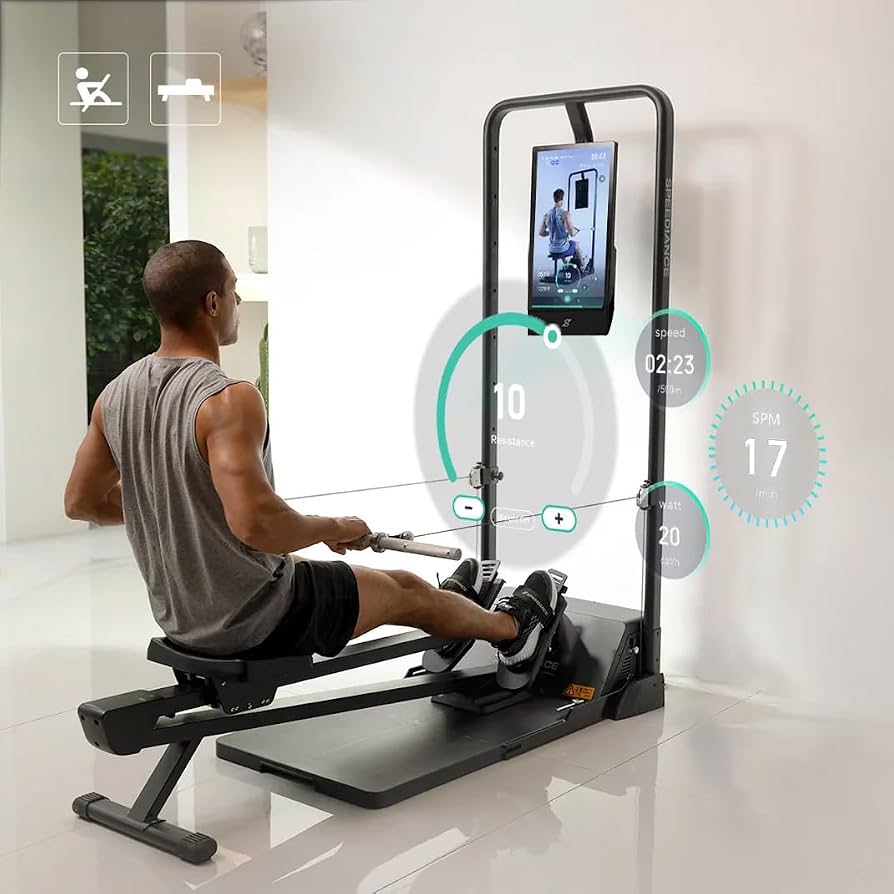
Connected strength machines can identify users, save settings, count repetitions and adjust resistance. These features may make training more repeatable, but data does not automatically create a good programme. At a technology-enabled gym Singapore, smart equipment is most useful when its measurements support, rather than replace, informed human judgement.
A machine can record what passed through its sensors. It cannot always explain why performance changed, whether the exercise fits a broader goal or how work stress and technique affected the set.
Define What Makes a Strength Machine “Smart”
The label may refer to several different capabilities:
- user identification and saved seat settings
- automatic resistance selection
- digital repetition counting
- range-of-motion feedback
- tempo or speed display
- programme recommendations
- cloud-based workout history
- adaptive resistance within a repetition
Two machines described as smart may offer completely different functions. Evaluate the feature actually used rather than the marketing category.
Automated Settings Can Reduce Setup Friction
Saving seat, pad and resistance settings can make a session faster and more consistent. The member spends less time remembering positions and may be less likely to use an approximate setup.
This is valuable when several family members or gym users share the same model. It can also help a coach review whether the trainee used the prescribed setting.
However, saved settings should still be checked. Upholstery changes, footwear, mobility and exercise variation may alter the preferred position. An automatically recalled number is a starting point, not proof of fit.
Repetition Counting Improves Records, With Conditions
Automatic counts reduce manual logging and may improve adherence to a planned set. The machine needs a rule for deciding what qualifies as a repetition, often based on movement distance or sensor thresholds.
Partial movements may be counted differently from controlled full-range repetitions. A pause or very slow repetition may confuse some systems. Test whether the device recognises the technique the programme requires.
If the screen shows twelve repetitions but two were shortened substantially, the training log should preserve that context.
Range Feedback Can Encourage Consistency
A display showing start and finish positions may help users reproduce range across sets. This is particularly useful when fatigue causes movement to shorten gradually.
Range is not universal. Body dimensions, joint comfort, machine geometry and training goals influence the appropriate excursion. The longest range the machine allows is not automatically the correct range for every person.
A coach or qualified trainer can help establish a suitable target. The machine can then monitor consistency against that target.
Automated Resistance Needs Transparent Logic
Some machines recommend a load after testing strength or tracking previous performance. Others adjust resistance during the repetition according to speed or position.
Ask:
- What test establishes the starting resistance?
- How does the system decide to progress?
- Can the member override a recommendation?
- Does it account for pain, fatigue or changed technique?
- Is resistance comparable across different machine models?
If the progression logic is unclear, the number should not be followed blindly.
Adaptive Resistance Changes the Training Stimulus
Traditional weight stacks provide resistance through a mechanical system. Smart machines may vary resistance during the eccentric and concentric phases or across the range.
This can create useful options, but it also means the displayed load may not be comparable with a conventional machine. A “40 kg” digital setting may represent a different force pattern from a 40 kg stack selection.
Track progress within the same mode and machine. Record whether adaptive, eccentric-emphasis or another setting was used.
Velocity and Tempo Feedback Need Interpretation
Movement-speed feedback can reveal when fatigue causes repetitions to slow. It may support autoregulation, particularly when the exercise and technique remain consistent.
Speed changes for many reasons:
- intentional tempo
- load selection
- range of motion
- motivation and cueing
- machine friction or calibration
- fatigue and recovery
A slower repetition does not independently diagnose low readiness. It becomes useful when compared with the person’s normal performance under similar conditions.
Programme Recommendations Are Not Complete Coaching
An algorithm can use goals, attendance and performance history to suggest exercises or loads. It may not understand the member’s full context, including work demands, travel, preferences, sport schedule or symptoms.
Human coaching contributes:
- observation of technique beyond sensor variables
- conversation about readiness and confidence
- selection among competing goals
- adjustment for equipment access and schedule
- judgement about when not to progress
The machine can improve data quality while the coach interprets what the data means.
Smart Machines Can Still Produce Bad Data
Incorrect user profiles, poor calibration, wrong seat settings or shared logins can make a precise-looking record inaccurate. Sensors may count assisted repetitions or movement performed outside the intended technique.
Use a data-quality check:
- confirm the correct profile before starting
- inspect settings and exercise mode
- compare counted repetitions with the set performed
- note unusual technique or interruptions
- report equipment faults to staff
Precision on a screen is not the same as validity.
Data Portability and Privacy Matter
Connected equipment may store workout history in an app or cloud service. Before relying on it, understand:
- what information is collected
- who can access it
- whether trainer access requires consent
- how records can be exported
- what happens if the membership ends
- how account deletion is handled
Use strong passwords and avoid sharing accounts. Health and performance data deserves the same practical privacy attention as other personal information.
Avoid Letting the Score Replace the Session Goal
Gamified points, streaks and leaderboards can encourage attendance. They can also reward behaviour that does not match the programme, such as adding low-value repetitions to raise a score.
Choose one or two metrics tied to the goal:
- load and repetitions at a controlled range
- completion of planned sessions
- consistency of tempo
- progress on selected movements
Ignore scores that do not inform the training decision. More data is not automatically better data.
Run a Four-Week Technology Trial
For four weeks, use smart features on two or three stable exercises. Record the machine’s data and a brief human note about effort, comfort and technique.
At the end, ask:
- Did setup become faster?
- Were records more complete?
- Did recommendations match actual readiness?
- Did the system encourage appropriate progression?
- Could the data be reviewed outside the machine?
If the feature creates more screen interaction than training value, simplify its use.
Combine Connected Equipment With Coaching
TFX describes technology-enabled facilities and training options, including intelligent strength equipment at selected locations. The connected environment offered by TFX Singapore can be used most effectively when members and trainers treat machine feedback as one source of evidence.
The machine can remember, count and calculate. Coaching judgement connects those outputs with movement quality, fatigue, goals and the realities of the member’s week.
Frequently Asked Questions
Are smart strength machines more effective than conventional machines?
Not automatically. They may improve setup, feedback and record-keeping. Results still depend on programme design, effort, technique and consistency.
Can automated load recommendations be followed without review?
They should be checked against warm-up performance, comfort and current readiness. Users should understand how the recommendation was generated.
Is digitally displayed resistance comparable with a weight stack?
Not necessarily. Motor-driven resistance, pulley mechanics and adaptive modes can create different force profiles. Compare progress within the same system.
Can smart equipment replace a personal trainer?
It can automate selected tasks, but it does not fully replace observation, context, communication and programme judgement provided by a qualified coach.