Why Wearable Data Can Misread Effort in Yoga Classes in Singapore
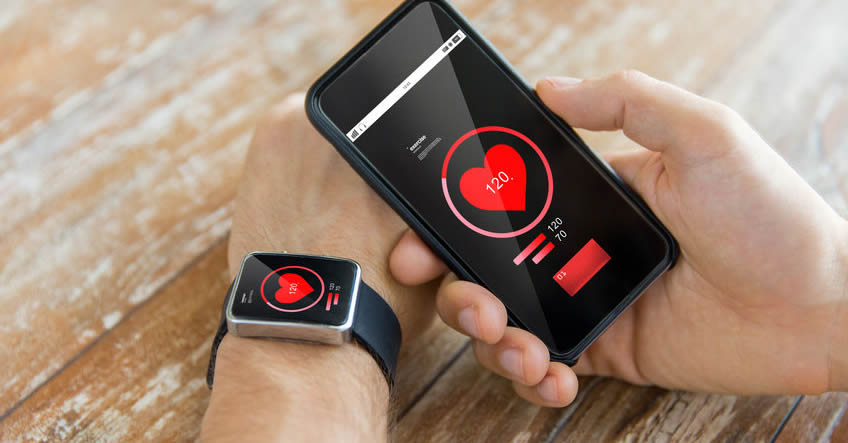
Fitness watches and rings can make exercise feel measurable. Heart rate, calories, recovery scores and training load appear as precise numbers, encouraging practitioners to compare one class with another. Yet yoga contains static holds, controlled breathing, heat, balance and muscular effort that consumer wearables do not always interpret accurately.
During yoga classes Singapore practitioners should treat wearable data as one source of information rather than an objective verdict on class quality. A low calorie estimate does not mean the session lacked value, and a high heart rate does not automatically mean the training was appropriate.
Wearables Measure Proxies
Most devices do not directly measure effort, stress or recovery. They use sensor signals and algorithms to estimate them. Heart rate, movement and skin temperature may contribute, but the device cannot fully understand pose difficulty, technique or individual intent.
The resulting number can be useful for trends, yet it remains a model. Presenting an estimate with decimal precision does not make it exact.
Wrist Position Affects Heart-Rate Readings
Optical sensors estimate pulse through changes in blood flow at the skin. Strong wrist flexion, gripping and pressure against the floor can disrupt contact.
Downward-facing dog, plank and arm balances may therefore produce gaps or unusual readings. Sweat and a loose strap can add movement artefact. Tightening the device excessively may create discomfort without solving every limitation.
Static Strength Can Look Like Low Activity
Wearables often interpret movement using acceleration. A long chair pose, plank or isometric hold may create substantial muscular effort with little wrist motion.
The device may record fewer active minutes than it would during walking, even though the practitioner experiences clear fatigue. This does not mean the hold was ineffective. It reflects the difference between movement quantity and muscular demand.
Flow Classes Are Easier to Detect
Repeated transitions generate motion and often raise heart rate, giving the algorithm more obvious exercise signals. Faster vinyasa may therefore receive a higher activity score than a technical class.
That comparison can be misleading. A slower session may improve control, balance or mobility while producing less device-detectable motion. The purpose of the class should determine its value.
Heart Rate Does Not Capture Every Demand
Cardiovascular response is important, but yoga also involves local muscular endurance, coordination, range and attention. A pose can be difficult for the shoulders even when overall heart rate remains moderate.
Conversely, heart rate may rise because of heat, anxiety, caffeine or dehydration rather than productive movement. The number needs context before it guides training decisions.
Humidity Changes Cardiovascular Response
Singapore’s climate can increase thermal strain before the class begins. Walking to the studio in humidity may raise body temperature, and a crowded room can limit sweat evaporation.
Heart rate may be higher than during the same sequence in a cooler environment. A wearable may classify the session as more intense without recognising that climate contributed to the response.
Heated Yoga Complicates Calorie Estimates
Heat can elevate heart rate while the actual mechanical work remains similar. Algorithms that use heart rate to estimate energy expenditure may interpret this as substantially greater activity.
Sweating heavily is not proof of more calories burned or better fitness. Practitioners should pace heated sessions according to symptoms, breathing and control rather than chasing a device target.
Breathing Practices Can Change Metrics
Slow breathing may influence heart rate and heart-rate variability. A device may interpret this as relaxation or improved recovery, but a short reading cannot capture the full psychological experience.
Some people also feel uncomfortable when trying to slow the breath. Wearable feedback should not pressure them to produce a particular score. Breathing practice remains individual and context-dependent.
Calorie Numbers Have Wide Uncertainty
Energy expenditure estimates use personal data and sensor patterns, but devices cannot directly measure metabolic cost in a normal class. Pose style, body composition and efficiency affect the result.
Calorie figures should not determine whether someone has “earned” food. They are too uncertain for precise compensation and can encourage unhealthy relationships with movement and eating.
Recovery Scores Depend on Baselines
Wearables may combine sleep, resting heart rate and variability into a recovery score. These metrics can help reveal trends, but alcohol, illness, stress, travel and sensor quality can alter them.
A poor score does not always require complete rest, and a high score does not guarantee readiness for maximum effort. The practitioner should combine data with energy, soreness, symptoms and planned class demand.
Yoga Mode Is Still an Algorithm
Selecting the correct activity profile may improve categorisation, but “yoga” covers restorative, heated, strength-focused and fast-flow classes. One mode cannot represent all formats accurately.
Users should check whether the device expects manual start and stop, how pauses are handled and which metrics are prioritised. The label does not remove measurement limitations.
Comparisons Between People Are Weak
Two practitioners can complete the same class with different heart rates because of fitness, medication, age, temperature tolerance and emotional state. Device brands may also use different algorithms.
Leaderboards and calorie comparisons therefore reveal little about who practised better. Yoga technique and self-regulation are not competitions that a wrist score can settle.
Data Can Distract From Internal Feedback
Checking the screen repeatedly moves attention away from breathing, balance and instruction. A vibration or target alert may also disrupt quiet sections.
Some practitioners may benefit from theatre mode or disabled notifications. The device can record in the background, while interpretation waits until after class.
Wearables Can Still Support Useful Trends
Used carefully, data may show how heart rate differs between heated and non-heated classes or how sleep relates to perceived effort. Trends across several weeks are usually more meaningful than one session.
Practitioners can add short notes about class type, humidity, energy and symptoms. Context helps explain why the same sequence produced different readings.
Do Not Let Metrics Rewrite the Goal
A restorative class is not unsuccessful because it produces few active minutes. A technical balance class does not need a high calorie estimate to justify attendance.
Before looking at the data, practitioners can define the session’s purpose. The numbers should be interpreted against that purpose, not used to replace it.
Discuss Medical Metrics Appropriately
Consumer wearables may flag unusual heart rhythms or values, but they are not a substitute for medical assessment. Concerning symptoms such as chest pain, fainting or unusual breathlessness require appropriate care regardless of the screen.
Medication can also affect heart-rate response. People with cardiovascular conditions should follow personalised professional guidance rather than generic exercise zones.
Keep Technology in a Supporting Role
When attending Yoga Edition, practitioners can choose a class based on goals and current capacity rather than predicted calorie output. Wearable notes may help compare personal responses over time.
The most valuable information still includes movement control, breathing, recovery and how the body feels the following day. Technology is strongest when it adds context without overruling experience.
Better Data Literacy Creates Better Decisions
Wearable numbers are neither useless nor infallible. They are estimates produced under conditions that may be difficult for wrist sensors, including sweat, pressure and limited movement.
Understanding these limits prevents practitioners from chasing misleading scores. A class can be effective, demanding or restorative even when the device fails to describe it accurately.
Frequently Asked Questions
Why does my watch lose heart rate during downward-facing dog?
Wrist flexion, pressure, sweat and sensor contact can interfere with optical readings. Adjust the fit comfortably, but expect some limitations.
Are yoga calorie estimates accurate?
They are rough estimates rather than direct measurements. Avoid using them for precise food or weight-management calculations.
Does a higher heart rate mean a better yoga class?
No. Heat, stress and pace influence heart rate, while balance, mobility and technical learning may occur at lower values.
Should I follow my recovery score when choosing a class?
Use it with sleep, soreness, energy, symptoms and class demand. One score should not make the decision alone.
Can I wear a watch during every yoga pose?
Usually, but it may press into the wrist or interfere with some binds. Remove it if it affects comfort, safety or movement.
Should I pause tracking during final relaxation?
That depends on what you want to measure. Consistency in how sessions are recorded makes comparisons easier.